Description

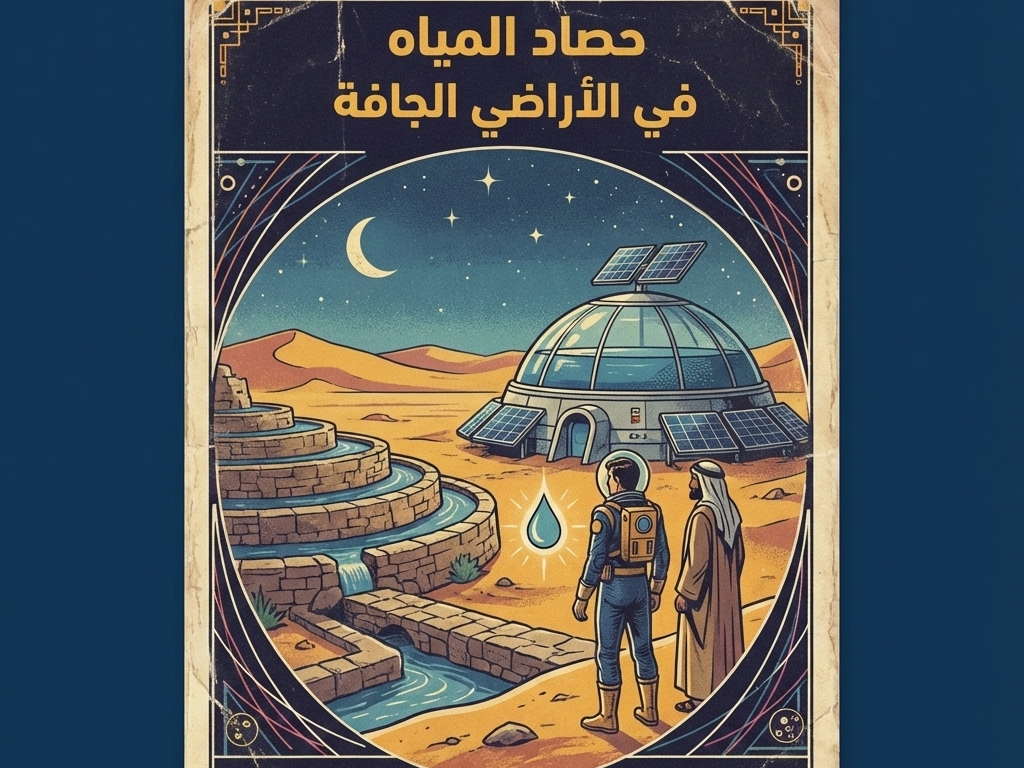
  • Over the centuries, people settling in drylands have developed water harvesting methods for the collection, distribution and storage of runoff water. These techniques have enabled water supply and agricultural activities in areas unsuitable for agriculture under natural conditions.
  • This course analyses historical systems with a special focus on the Middle East and highlights their sustainability in comparison to modern irrigation and water supply systems.
  • A practical exercise comparing simple linear regressions with a simulation model based on “R” quantifies potentials in recent and future climate.

Participants must successfully pass this exercise and submit a short report on the results. 

Acquired Skills

  • Students understand water harvesting principles and sustainability compared to modern techniques.
  • Students can differentiate between different water harvesting techniques.
  • Students can select the most appropriate technique for a specific area and purpose.
  • Students can quantify water harvesting potentials.
  • Students understand the limits of water harvesting.

Target Group

  • MSc students
  • PhD students
  • Students in Environmental Sciences / Water and Environmental Engineering

Notes

Prof. Dr. Jens Lange

  • Professor of Hydrology, University of Freiburg
  • PhD in Arid Zone Hydrology (1999)
  • Active in various research projects in the Middle East since 1995

The course is financially covered through the SAJE Project.

Course Duration

9 Hours

Learning Method

Online